
1-805-484-2992
Quotes - Engineering - Sales
Search by what you make, not by what we call the exchanger
Process engineers do not wake up wanting a double tubesheet U-tube. They want raw milk at 38 F by the time the tanker is empty, whole egg pasteurized without a single white speck, wort at 50 F before the brewer's shift ends, WFI at 25 C in the formulation tank without a validation finding. This section is organized that way. Each of the four markets has its own page with the sub-applications engineers actually search for, and each sub-application page gives the process temperatures and times, the fluid behavior that decides plate against tube, a table of the constructions that fit and why, and the list of numbers a quote needs.
The construction pages under Sanitary Exchangers describe the hardware: straight tube, U-tube and double tubesheet shell-and-tube; gasketed, double-wall and wide-gap plate; single, multi-tube and corrugated tube-in-tube; evaporators, vapor condensers and clean steam generators. Every recommendation table on an application page links to them, so the path from process to hardware is two clicks. Sizing and Selection covers what size you need, the regeneration and utility trade-offs, and how to replace an exchanger you already have.
Two things run through every page. The first is that the fluid decides the channel: water-like products go on gasketed plates with regeneration, viscous or shear-sensitive products go into wide-gap plates or tube-in-tube, and anything with pieces goes into a tube bore at least twice the size of the largest piece. The second is that the utility decides the geometry: steam belongs on the tube side of a U-tube, hot water can go anywhere, and a compendial fluid against plant steam or tower water gets a double tubesheet with a vented gap so a leak has somewhere to show. Once those two are settled the exchanger is mostly chosen and the rest is area and pressure drop.
Homebrew, kitchen-scale and laboratory glassware are not on this site. The applications here start at pilot plant scale and the numbers on the pages are for continuous industrial lines, with the legal and process temperatures stated in Fahrenheit and Celsius where the industry uses both.
A quote that arrives with product, flows, temperatures, hygiene class, materials and CIP needs gets priced the same day. One without them gets a phone call first.
Every application page ends with the list of what to send.
Three things every application page tells you
The numbers that govern the duty
- Legal or process temperatures and hold times, the viscosity and particle size that decide the channel, the fouling behavior that sets the run length, and the utility temperatures that make the approach workable. Concrete figures, not adjectives.
Which construction fits and why
- A recommendation table pairs each duty with one of the twelve sanitary constructions HeatX builds and says in one line why it wins: pulp passes a tube bore it never passes a plate gap; steam belongs on a U-tube; a compendial loop wants a vented double tubesheet.
What to send for a firm price
- Product and its properties, flow, inlet and outlet temperatures, regeneration if any, hygiene class and finish, materials, connections, CIP and SIP requirements and the steam, hot water, chilled water or glycol available. Send those and the quote comes back sized, with two ways out of it: get a price, or talk to an application specialist first.
Related
Applications
Dairy
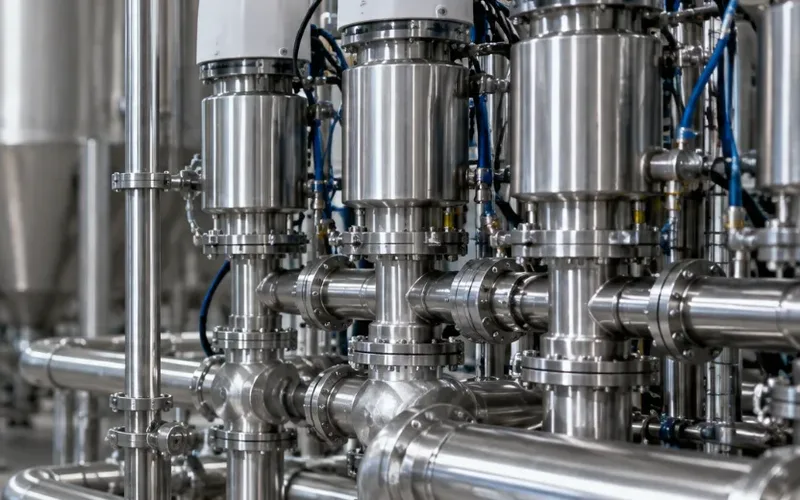
Pasteurizers, regenerators, cream and whey coolers and cheese-milk heaters, built to 3-A, sized to your line.
+ Learn More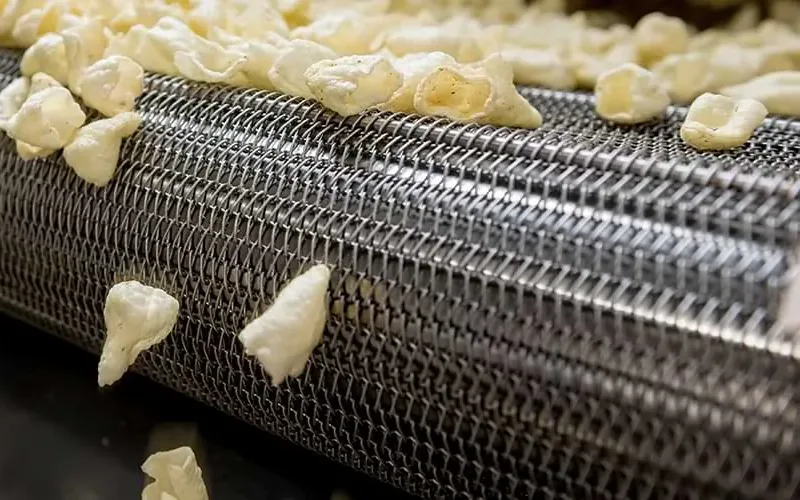
Applications
Food & Beverage
Pasteurizers, coolers and condensers for juice, sauces, brewing, distilling, liquid egg and edible oils.
+ Learn More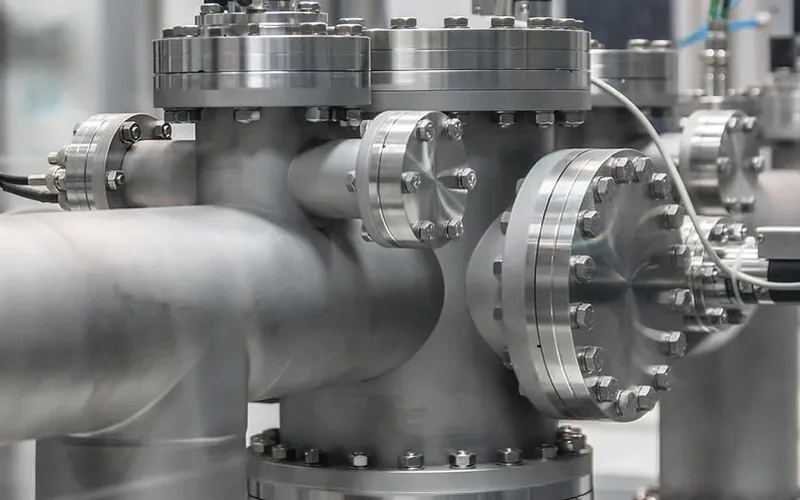
Applications
Pharmaceutical & Biotech
WFI and purified water, point-of-use cooling, bioreactor loops and extraction chilling, built to ASME BPE.
+ Learn More