
1-805-484-2992
Quotes - Engineering - SalesColor, wax and stearin removal
A heater to 220 F and a chiller to 40 F on the same oil
Bleaching removes color, soap and trace metals by contacting oil with activated clay at 180 to 220 F under vacuum, then filtering the clay out. Winterization removes waxes from sunflower, corn and rice bran oil, or separates stearin from palm and cottonseed oil, by chilling the oil slowly to 40 to 45 F, holding it while crystals grow, and filtering them off.
This page covers the bleacher feed heater and bleached oil cooler, and the chiller of a winterization or fractionation line.
Bleacher heat and winterization cold
Heating into the bleacher
Neutralized and washed oil comes to the bleacher at 120 to 190 F, and the feed heater takes it to 180 to 220 F on 50 to 150 psig steam, with the oil on the tube side of a U-tube or straight-tube shell-and-tube and a 20 to 30 degree approach. The oil at this point still carries soap and a little water from the wash, and residual phosphoric or citric acid from degumming, so the product side is 316L.
Where clay is added before the heater, the tubes are straight so they can be rodded and velocity is held at 4 to 6 ft/s so the clay does not settle.
Cooling bleached oil and recovering its heat
Bleached oil at 200 to 220 F leaves the filter and either goes straight to the deodorizer economizer, in which case no cooler is needed, or is cooled to 140 F for interim storage on a plate or shell-and-tube exchanger on tower water. An oil-to-oil exchanger against neutralized feed recovers 30 to 40 percent of the bleacher heater's steam.
Clay fines that pass the filter foul the cooler inlet, so a shell-and-tube with removable bonnets beats a plate pack. Bleached oil is oxidation-sensitive, so the cooler is nitrogen-blanketed and drained on shutdown.
Winterization: chilling slowly to grow crystals
Winterization is a controlled crystallization, and the exchanger's job is to remove heat slowly enough that wax or stearin crystals grow large in the bulk of the oil rather than nucleating as a film on a cold wall. The oil is cooled from 120 F to 40 to 45 F over 6 to 12 hours on a programmed ramp, with chilled water or glycol on the utility side at a 5 to 10 degree approach and the utility temperature stepped down with the oil. A wall 30 degrees colder than the oil grows a wax layer and seeds fine crystals that blind the filter.
Continuous lines do it in a shell-and-tube with the oil on the shell side at low velocity, or in a jacketed, slowly agitated crystallizer; batch lines use the crystallizer alone. Sunflower oil at 40 F is 150 to 200 cP and the wax slurry more, so the pump is a positive displacement type. Between batches the chiller is warmed to melt wax off the tubes.
The common mistake
Chilling the winterization feed fast on glycol at 20 F to shorten the cycle. The crystals nucleate on the wall as a fine haze, the filter blinds in the first hour, and the oil that gets through still clouds in the bottle. The ramp is the process; the exchanger follows it. Send the oil type, the batch or flow, the bleaching temperature and steam pressure, the winterization ramp the plant runs, and the chilled utility temperatures. Call and talk it through with an engineer: 1-805-484-2992




Bleaching and winterization process conditions
One column of rows covers the hot end at the bleacher and the cold end at the wax filter. See where your oil and ramp differ from them, and include that when you request a quote.
| Condition | Detail |
| Product | Neutralized oil into the bleacher; bleached oil with clay traces; sunflower, corn, rice bran, palm or cottonseed oil for winterization |
| Flow range | 5,000 to 60,000 lb/h; winterization often batched |
| Temperatures in / out | Bleacher feed to 180 to 220 F; bleached oil 220 F to 140 F; winterization 120 F to 40 to 45 F over 6 to 12 hours |
| Hold | Bleaching 20 to 30 minutes; winterization crystal growth 4 to 12 hours |
| Utility | 50 to 150 psig steam on the bleacher heater; tower water on the cooler; chilled water or glycol on a controlled ramp for winterization |
| Approach | 20 to 30 degrees on heating; 5 to 10 degrees on the winterization chiller |
| Construction | Shell-and-tube on the bleacher heater; plate or shell-and-tube on the cooler; shell-side oil or a jacketed crystallizer on winterization |
| Finish / class | 316L on the bleacher feed with soap traces; 304L downstream; food-grade drainable |
| CIP | Hot oil flush; bleacher heater opened for clay on interval; winterization chiller warmed to melt wax between batches |
Common FAQs
The oil entering the bleacher still carries soap, wash water and traces of degumming acid. Once bleached and dried it has none of those, and 304L serves downstream.
From about 120 F to 40 to 45 F over 6 to 12 hours on a programmed ramp, with the utility never more than 5 to 10 degrees below the oil. Fast chilling nucleates fine wax on the wall and blinds the filter.
Shell side at low velocity, or a jacketed crystallizer, so the oil has room for crystals to grow and nothing bridges. Chilled water or glycol goes in the tubes or the jacket with a stepped inlet temperature.
Below about 200 F and 150 psig steam, yes, on clean oil. At 220 F with soap traces and possible clay slurry, a U-tube or straight-tube shell-and-tube is the usual choice and can be opened for clay fouling.
Related
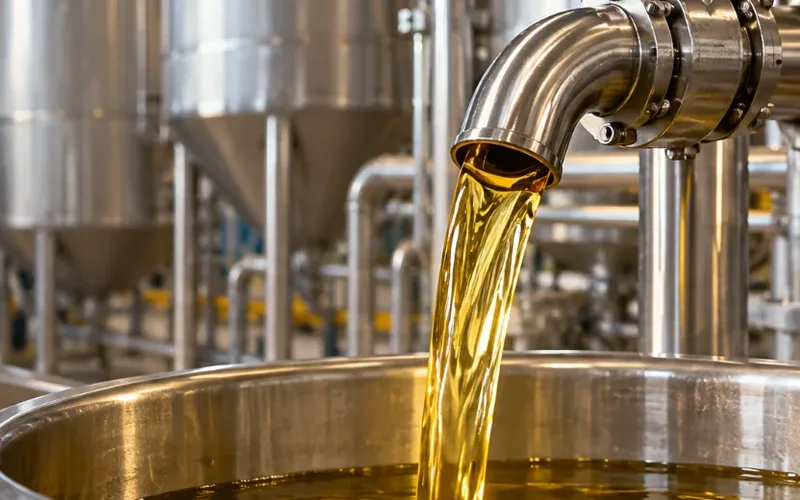
Applications
Vegetable Oil Heating & Cooling
The heaters and coolers around the refinery: degumming, neutralizing, bleaching feed and storage.
+ Learn More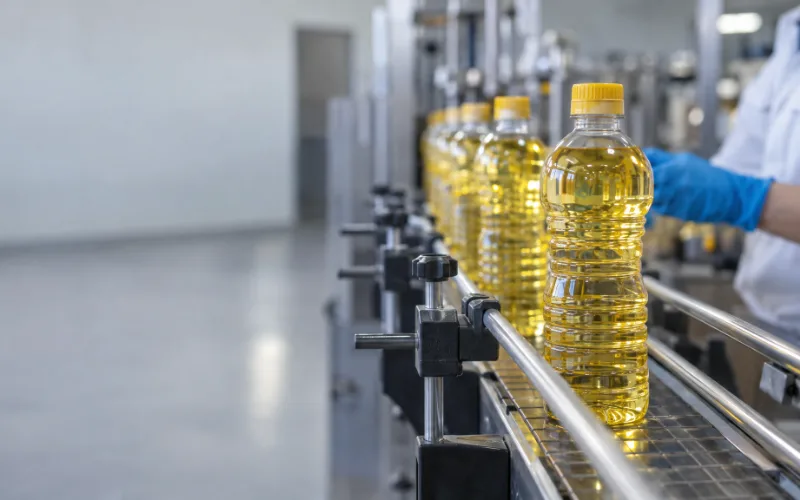
Applications
Deodorizer Heat Recovery
Recover 60 to 80 percent of the deodorizer heat oil-to-oil, then close the last degrees on thermal fluid.
+ Learn More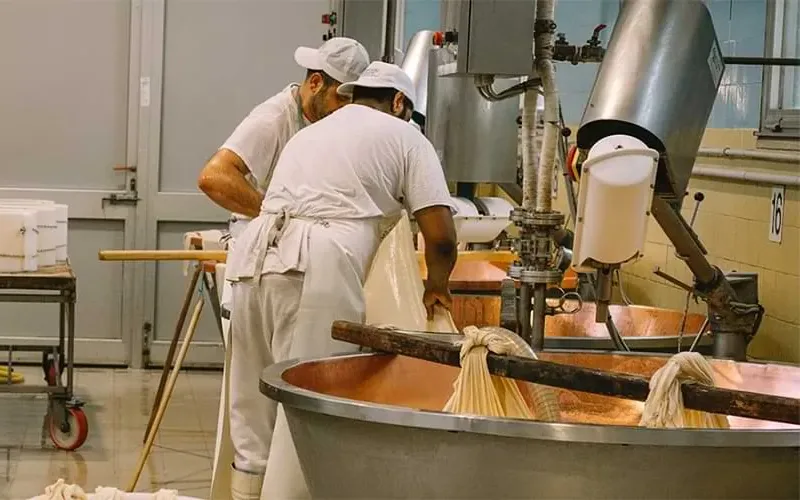
Applications
Fats, Shortening & Margarine
Solid at room temperature, kept liquid until the crystallizer and never allowed to set on a wall.
+ Learn More